
"distilled spirits"
200 article(s) found

Coffee Culture of Coffee all over the World
The Discovery and spread of Coffee how was coffee discovered? When people taste mellow coffee, they can't help but ask such questions.

Introduction to the production methods of 19 kinds of fancy Coffee Italian Coffee
1. The word Italian espresso Espresso comes from Italian fast, because Italian espresso is made and delivered to consumers very quickly. Espresso drips slowly from the filter like warm honey, dark reddish brown with a cream content of 10% to 30%. The brewing of espresso can be defined by four M's: Macinazione stands for a correct one.

A HISTORY OF THE INTRODUCTION AND EXPANSION OF COFFEE IN EARLY CHINA (IV)
1. 1.1 In May 2004, the author investigated the coffee growing areas of Gukeng and Alishan in Yunlin and Chiayi counties, Taiwan. In November 2009, I visited Gukeng in Yunlin County, Dongshan Coffee Planting Area in Tainan County, Jianhu Mountain World Coffee Museum, World Coffee Exhibition in Taipei and Taiwan National History Museum.
Coffee common sense 25 kinds of coffee are made in the cafe.
Cappuccino cappuccino coffee is another kind of espresso, which contains 50% steamed milk and 50% foamed milk. It can also be said to contain 1pm 3 espresso, 1amp 3 steamed milk and 1amp 3 foamed milk. But it also depends on the person who makes the coffee. More steamed milk and less foam are used in many places. This kind of coffee is like the headscarf worn by Italian monks, so it is named Karp.
25 kinds of coffee making (free tutorial)
Cappuccino cappuccino coffee is another kind of espresso, which contains 50% steamed milk and 50% foamed milk. It can also be said to contain 1pm 3 espresso, 1amp 3 steamed milk and 1amp 3 foamed milk. This kind of coffee is like the headscarf worn by Italian monks, so it is named Karp.
History of Coffee planting in the early stage of Coffee introduction and expansion in China (4)
1. Textual Research on the early introduction of Coffee in Taiwan in 1884 1.1 in May 2004, the author investigated Gukeng in Yunlin County and Alishan Coffee growing area in Chiayi County. In November 2009, I once again visited Gukeng in Yunlin County and Dongshan Coffee growing area in Tainan County, Jianhu Mountain World Coffee Museum, and visited the World Coffee Exhibition in Taipei and the National Museum of Taiwan History.

A textual Research on the early introduction of Coffee in Taiwan in 1884
1.1 in May 2004, the author visited Gukeng in Yunlin County and Alishan Coffee growing area in Chiayi County, Taiwan. In November 2009, I once again visited Gukeng in Yunlin County and Dongshan Coffee growing area in Tainan County, Jianhu Mountain World Coffee Museum, and visited the World Coffee Exhibition in Taipei and the National Museum of Taiwan History. 1.2 before the 16th century, Westerners had roots on the dinner table
The History of Coffee introduction and expansion in China in the early stage (4)
1. Textual Research on the early introduction of Coffee in Taiwan in 1884 1.1 in May 2004, the author investigated Gukeng in Yunlin County and Alishan Coffee growing area in Chiayi County. In November 2009, I once again visited Gukeng in Yunlin County and Dongshan Coffee growing area in Tainan County, Jianhu Mountain World Coffee Museum, and visited the World Coffee Exhibition in Taipei and the National Museum of Taiwan History.

History of introduction and expansion of Coffee in China in the early stage of Coffee Development (4)
1. Textual Research on the early introduction of Coffee in Taiwan in 1884 1.1 in May 2004, the author investigated Gukeng in Yunlin County and Alishan Coffee growing area in Chiayi County. In November 2009, I once again visited Gukeng in Yunlin County and Dongshan Coffee growing area in Tainan County, Jianhu Mountain World Coffee Museum, and visited the World Coffee Exhibition in Taipei and the National Museum of Taiwan History.
The spread of Coffee Coffee Culture of Coffee all over the World
The Discovery and spread of Coffee how was coffee discovered? When people taste mellow coffee, they can't help but ask such questions. According to Roth de Neroy, a Roman linguist, around the sixth century AD, an Arab shepherd named Caldai was very excited and excited to see every goat when he went to graze on the grasslands of Ethiopia. It made him

The Discovery of Coffee and the Coffee Culture of Coffee all over the World
The Discovery and spread of Coffee how was coffee discovered? When people taste mellow coffee, they can't help but ask such questions. According to Roth de Neroy, a Roman linguist, around the sixth century AD, an Arab shepherd named Caldai was very excited and excited to see every goat when he went to graze on the grasslands of Ethiopia. It made him
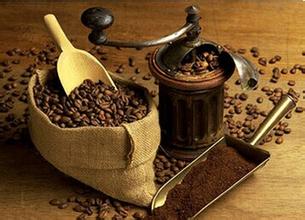
World Coffee Science: understanding the Historical and Cultural Source of World Coffee Coffee must see the knowledge points
The Discovery and spread of Coffee how was coffee discovered? When people taste mellow coffee, they can't help but ask such questions. According to Roth de Neroy, a Roman linguist, around the sixth century AD, an Arab shepherd named Caldai was very excited and excited to see every goat when he went to graze on the grasslands of Ethiopia. It made him

How do I register for the Q-grader exam?
Signing up for the Q-grader exam to evaluate raw coffee beans through people's senses is a very subjective thing. For example, coffee that you think is deeply roasted may be moderately roasted to me, or you think it is the flavor of berry jam, which is more like balsamic vinegar to me. Now there are more than 4000 Q grader,Q-grading systems around the world.

How to pass the Q-grader exam (1) Taste skill smell bottle 36 Flavor Spectrum sensory training
Signing up for the Q-grader exam to evaluate raw coffee beans through people's senses is a very subjective thing. For example, coffee that you think is deeply roasted may be moderately roasted to me, or you think it is the flavor of berry jam, which is more like balsamic vinegar to me. Now there are more than 4000 Q grader,Q-grading systems around the world.
A comprehensive knowledge of coffee
Latte coffee is a classic blend of Italian espresso and milk. Italians also like lattes as breakfast drinks. In the Italian kitchen in the morning, coffee and milk are usually brewed on the sunlit stove. Italians who drink lattes like milk rather than espresso, and only espresso
Intermediate baristas theoretical examination questions, standardized question bank "Intermediate baristas Review outline"
1. The graceful manners of women do not include (C). A, stand into T-step B, cross hands C in front of abdomen, hands on waist D, waist and back erect 2. In service work, the tone of (B) when answering the phone will leave a good impression on the other party. A, whisper gentle B, kind and generous C, high-pitched and loud D, way, language do not matter 3.
I sorted out the examination questions for the somewhat abnormal intermediate baristas (including answers).
1. The graceful manners of women do not include (C). A, stand into T-step B, cross hands C in front of abdomen, hands on waist D, waist and back erect 2. In service work, the tone of (B) when answering the phone will leave a good impression on the other party. A, whisper gentle B, kind and generous C, high-pitched and loud D, way, language do not matter 3.

What is coffee? you must know the basic knowledge.
What is Coffee (the word comes from a small town in Ethiopia called kaffa, and in Greek Kaweh means strength and enthusiasm. Tea, coffee and cocoa are called the three major drinks in the world. Coffee tree is a small evergreen tree of Rubiaceae. Coffee for daily consumption is made of coffee beans combined with a variety of cooking utensils.

What is the basic knowledge of coffee baristas that you must know
What is Coffee (the word comes from a small town in Ethiopia called kaffa, and in Greek Kaweh means strength and enthusiasm. Tea, coffee and cocoa are called the three major drinks in the world. Coffee tree is a small evergreen tree of Rubiaceae. Coffee for daily consumption is made of coffee beans combined with a variety of cooking utensils.
Comprehensive knowledge of boutique coffee
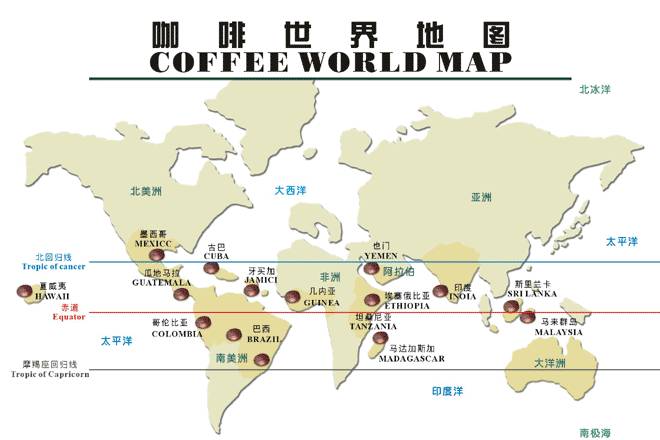
Coffee distribution: coffee trees grow in the tropical or subtropical regions of the tropical or subtropical regions with the equator as the center and between the latitudes of 25 degrees south and north. At present, coffee is produced in more than 60 countries, widely distributed in South America, Central America, the West Indies, Asia, Africa, Arabia, the South Pacific and Oceania. In terms of output, Brazil, which accounts for the largest output in the world, is about